
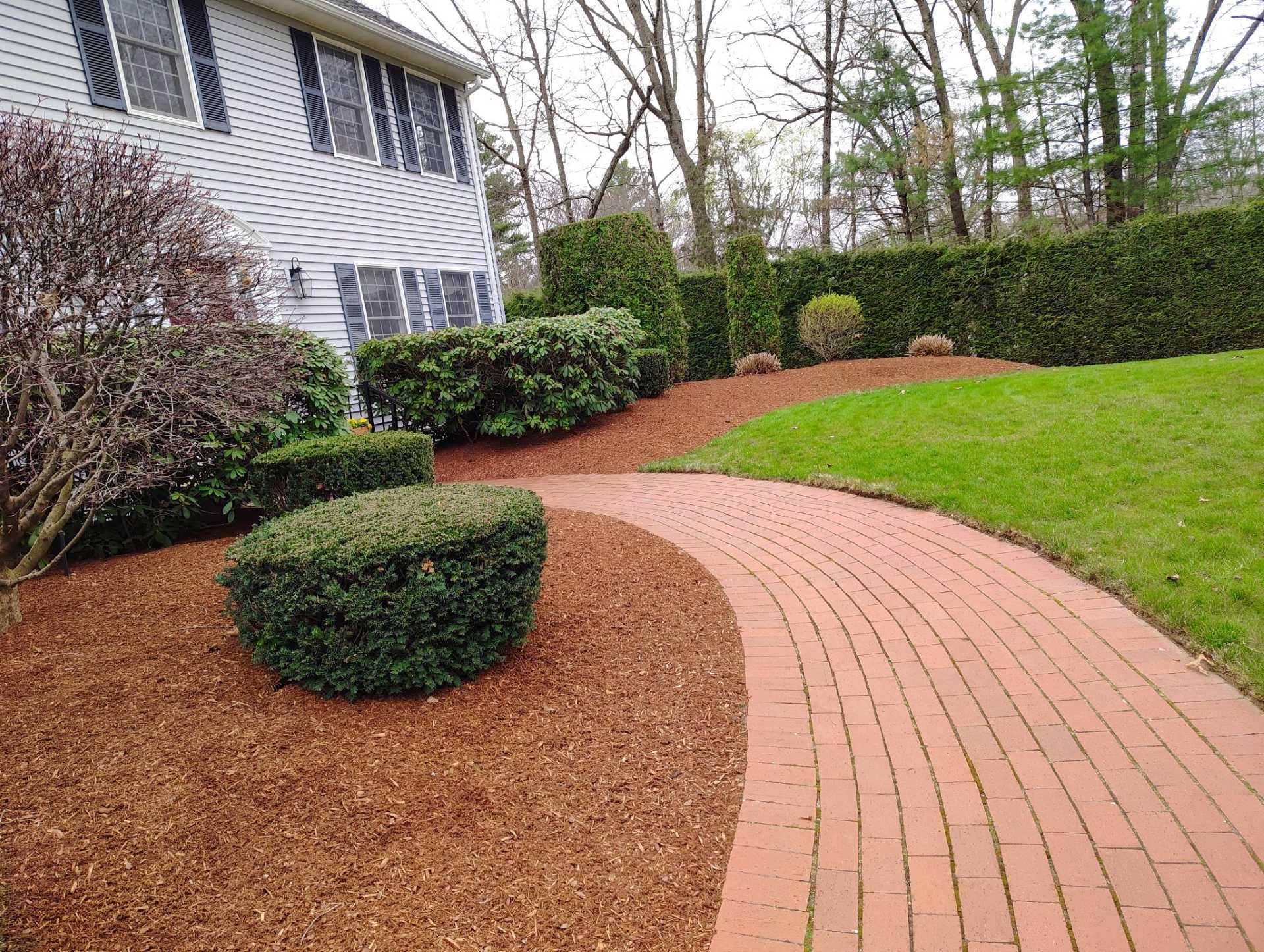
Plans That Balance Beauty and Function
Landscape Design in Fitchburg for properties requiring professional planning before installation work begins
Landscape concepts need to become workable plans that account for site conditions, maintenance realities, and how you'll actually use the outdoor space once construction is complete. The design process involves site evaluation that identifies drainage patterns, sun exposure throughout the day, existing vegetation that should be preserved or removed, and how the property's topography affects both usability and installation requirements. NXT Landscaping & Tree Service develops landscape designs for residential and commercial properties in Worchester, Concord, Gardner, and surrounding areas where professional planning prevents costly corrections after installation and ensures the completed landscape functions as intended rather than creating unexpected maintenance burdens.
Design services translate your goals into layout plans that specify plant selection based on mature size and maintenance needs, grading solutions that address drainage concerns, and phasing options when projects need to be completed over multiple seasons. Thoughtful design maximizes your investment by avoiding plant choices that outgrow their intended locations or hardscape features that don't account for water management.
Schedule a design consultation to review your property's current conditions and discuss how professional planning addresses specific challenges or opportunities.
What Professional Planning Accomplishes
The design process begins with understanding how the property currently drains during heavy rain, where sun and shade zones shift throughout the growing season, and what soil conditions exist in areas designated for new plantings. These factors determine which plants will perform well long-term, where hardscape features can be placed without creating drainage problems, and what site preparation work needs to happen before installation begins.
After design is complete, you receive layout plans that show exactly where plants, hardscape elements, and grading changes will occur, with specifications that guide installation work and ensure contractors understand the intended outcome. The design also includes plant selections matched to specific site conditions rather than generic recommendations, and maintenance projections that help you understand ongoing care requirements before committing to installation.
Design collaboration involves reviewing preliminary concepts, making adjustments based on budget or phasing preferences, and finalizing plans that balance aesthetic goals with practical considerations like irrigation access, maintenance equipment clearance, and seasonal appearance throughout the year. The process works for properties needing complete landscape renovation or focused improvements to specific problem areas that aren't performing as desired.
What Property Owners Want to Know
Landscape design involves decisions that affect both immediate installation costs and long-term maintenance requirements, and understanding the process helps you evaluate how planning contributes to project success.
What does site evaluation identify?
Site evaluation assesses drainage flow patterns during storm events, sun exposure duration in different property zones, soil composition and compaction levels that affect plant health, and existing vegetation condition to determine what should remain versus what needs removal.
How are plant selections made for New England properties?
Plant choices account for winter hardiness zones specific to this region, mature size to prevent overcrowding as plants establish, maintenance requirements that match your available time or service budget, and seasonal interest so the landscape doesn't look barren outside of summer months.
When should design work happen before installation?
Design should be completed several weeks before planned installation to allow time for concept revisions, material sourcing for specified plants and hardscape elements, and contractor scheduling during optimal planting windows in spring or fall.
How does design affect long-term landscape functionality?
Professional planning prevents common problems like plants that outgrow their locations and require constant pruning, drainage issues that emerge after grading is complete, and maintenance demands that exceed what property owners anticipated when approving installation.
What design elements improve property usability?
Usability improvements include walkway placement that follows natural traffic patterns, seating or gathering areas positioned in zones with favorable sun exposure and views, plant arrangements that provide privacy screening without blocking desirable sightlines, and grading that creates level usable space on sloped properties.
Professional landscape planning by NXT Landscaping & Tree Service addresses site-specific conditions that affect both installation success and long-term landscape performance. Schedule a consultation to walk your property and discuss design solutions tailored to your goals and site challenges.