
Trees That No Longer Threaten Structures
Tree Trimming in Worchester for branches compromising roof clearance, utility lines, and pedestrian safety
Throughout Massachusetts, seasonal storms expose weaknesses in tree structure that go unnoticed during calm weather, with the most common failures occurring where crossing branches have created weak unions or where dead wood remains attached high in the canopy. NXT Landscaping & Tree Service provides tree trimming focused on removing structural liabilities before they cause property damage or access problems. Your trees benefit from selective removal of problematic growth rather than indiscriminate reduction that stresses the tree while providing only temporary clearance.
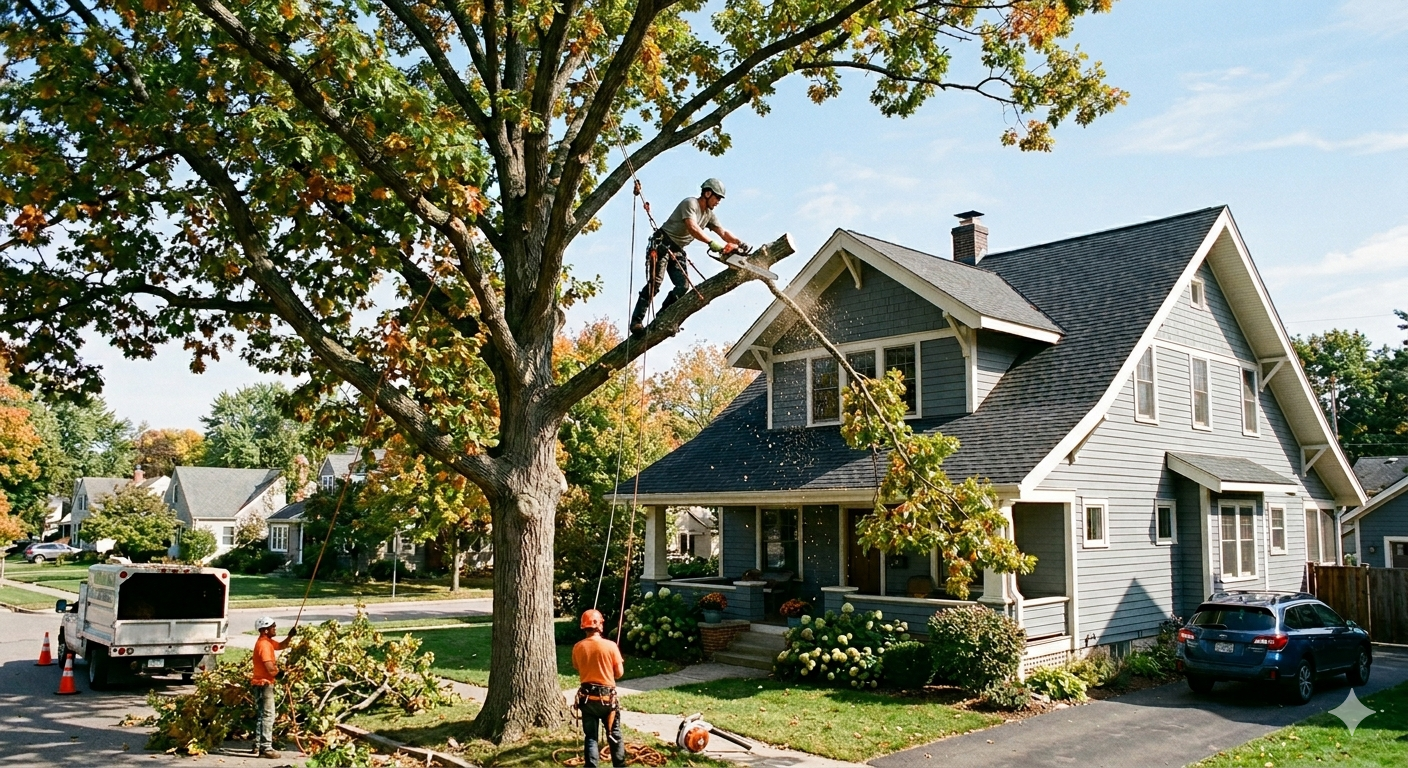
The trimming process targets dead, damaged, and crossing branches first, followed by selective removal of growth that extends beyond safe clearance zones around structures, walkways, and overhead utilities. Cuts are made at branch collars where the tree's natural defense systems can seal the wound most effectively, preventing decay from entering the trunk.
Schedule a professional tree assessment to identify which branches present the highest failure risk during the next major weather event in Worchester, Concord, Groton, and surrounding areas.
How Trimming Addresses Structural Problems
Proper cuts respect the branch collar, the slight swelling where a branch meets the trunk or parent limb, because this tissue contains specialized cells that form a protective barrier against pathogens after the branch is removed. You avoid the long-term decay problems that result from flush cuts made tight against the trunk, which remove the tree's natural defense zone and create entry points for rot that can compromise the entire tree over subsequent years.
After trimming, you notice increased sunlight reaching areas previously shaded by dense canopy, branches no longer scraping against roof surfaces during wind events, and clear lines of sight from windows and driveways that had been obscured. Trees develop stronger structure when competing leaders are removed early and when weight is balanced across the canopy rather than concentrated on one side that creates lean and increases storm failure risk.
Seasonal timing affects tree response to trimming, with most species tolerating dormant-season work better than cuts made during active growth when trees are allocating energy to leaf production. However, hazard reduction happens whenever necessary regardless of season, because the risk of leaving dangerous branches in place outweighs the stress of trimming during less optimal times.
Answers to Frequent Service Questions
Tree trimming involves more biological considerations than most property owners realize, and understanding the reasoning behind specific cuts helps you evaluate whether work is being done correctly or simply making trees look smaller temporarily.
What determines which branches get removed during trimming?
Arborists prioritize dead or dying wood first, then address crossing branches that rub together and create wounds, followed by growth that violates clearance requirements around structures or utilities.
How much of the canopy can be removed safely in one session?
Removing more than 25 percent of a tree's live canopy stresses the root system and can trigger decline, so severely overgrown trees often require phased reduction over multiple years rather than drastic one-time cutting.
Why do some cuts cost more than others on the same tree?
Branches extending over roofs or near utility lines require rigging and controlled lowering rather than simply dropping them, and work in tight locations demands more time and specialized equipment than open-area cuts.
When is the best time to trim trees in Fitchburg?
Late fall through early spring provides ideal trimming windows for most species because trees are dormant and wound closure begins immediately when spring growth resumes, though hazardous branches should be removed regardless of season.
What should property owners watch for between professional trimming visits?
Monitor for hanging dead branches, new cracks at branch unions, or limbs that have grown back into clearance zones around structures, all of which indicate the need for additional attention before the next scheduled maintenance cycle.
NXT Landscaping & Tree Service develops trimming plans based on each tree's current condition and growth patterns rather than applying generic approaches. Arrange an on-site consultation to review specific concerns and establish a maintenance schedule that prevents problems rather than reacting to them after damage occurs.